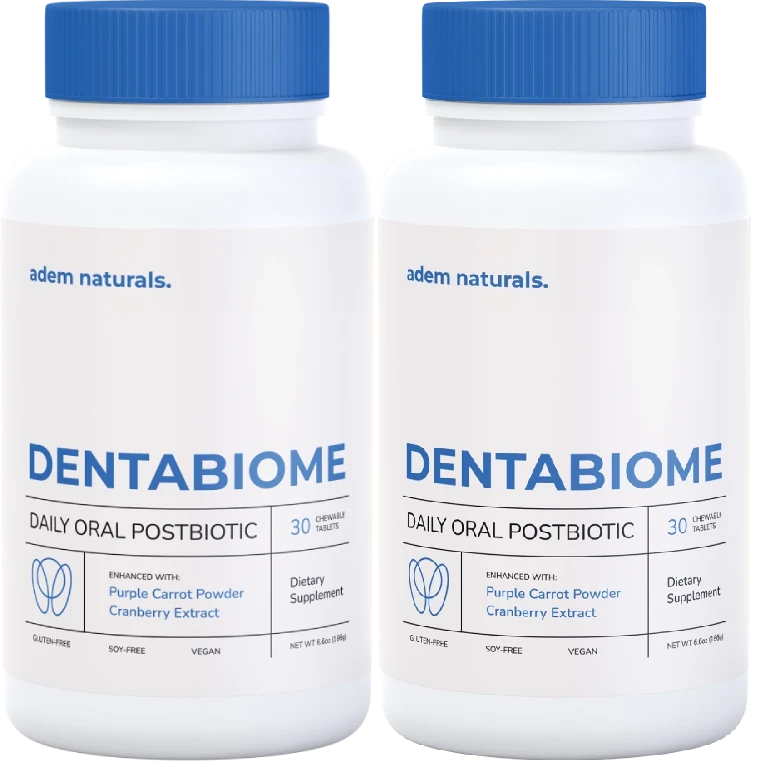
Dentabiome — Should You Buy in 2026?
Dentabiome is a slow-dissolve oral probiotic tablet designed for people who have brushed, rinsed, and flossed religiously — and still can't seem to get their mouth to feel genuinely clean and fresh. Unlike a toothpaste or mouthwash that washes away, this one works by staying in your mouth long enough to actually change what lives there. The goal is a healthier oral environment, not just a temporary minty sensation.
Clean Teeth, Still Something Feels Off — Sound Familiar?
From a practical standpoint, you already do everything right. Twice-daily brushing, flossing, the expensive electric toothbrush.
From a sourcing standpoint, and yet your dentist still finds something to flag, your breath still isn't where you want it, and your gums never quite feel settled. That gap between effort and outcome is exhausting.
- ✕Bad breath comes back within hours of brushing, no matter what mouthwash you use.
- ✕Your gums bleed when you floss even though you do it consistently — and the embarrassment at dental checkups never gets easier.
- ✕You avoid close conversations or cover your mouth out of habit, even when you've just cleaned your teeth.
Brushing and rinsing target surface bacteria, but they don't touch the deeper microbial balance inside your mouth — and that's where most of the real trouble starts. Until something actually shifts that balance, the same problems keep cycling back.
What Makes Dentabiome Different From a Probiotic Toothpaste?
Stripped of the marketing, dentabiome separates itself from standard oral care by delivering live bacterial strains — specifically Lactobacillus reuteri and BLIS K12 — in a slow-dissolve tablet format that keeps beneficial bacteria in contact with oral tissue for far longer than a rinse or paste ever could.
Objectively, rather than targeting symptoms on the tooth surface, the dentabiome formula works at the microbiome level, competing directly against the pathogens linked to gum inflammation and volatile sulphur compound production. Malic acid and inulin are included to create an environment where those probiotic strains can actually establish themselves.
From an evidence standpoint, one tablet dissolved slowly in the mouth daily is the entire routine — no rinsing required, no timing around meals beyond a brief window. Dentabiome capsules are formulated to work without disrupting regular brushing habits, meaning it layers on top of what you already do rather than replacing it.
Dentabiome uses a slow-dissolve tablet format specifically because oral probiotic strains need extended contact time with the gingival tissue and tongue surface to colonise effectively — a detail most oral supplements completely overlook.
How Dentabiome Supports Your Mouth's Bacterial Ecosystem
BLIS K12 (Streptococcus salivarius) — Competitive Colonisation
From a formulation standpoint, bLIS K12 is a specific strain of Streptococcus salivarius that has been studied for its ability to produce bacteriocin-like inhibitory substances — proteins that suppress growth of pathogenic oral bacteria including those linked to halitosis and gum irritation. Research on this strain has focused on its role in reducing Streptococcus pyogenes and other competitors in the oral cavity. The mechanism is competitive colonisation: beneficial bacteria occupy the same attachment sites that harmful strains need to thrive.
Lactobacillus reuteri — Gingival Tissue and Inflammation Support
From an evidence standpoint, among the oral probiotic strains with the most research behind them, Lactobacillus reuteri has been examined for its potential to modulate the inflammatory response in gingival tissue, with studies noting associations between consistent use and reduced gum bleeding scores. Its reuterin production adds an additional antimicrobial layer that works alongside its colonisation activity.
Probiotic Synergy With Prebiotic Support — Sustained Microbiome Shift
From a practical standpoint, inulin functions as a prebiotic within this formula — feeding the introduced probiotic strains so they have a better opportunity to persist after the tablet dissolves. Malic acid creates a mildly acidic pH shift that favours beneficial bacteria while discouraging the pathogens responsible for volatile sulphur compounds and plaque biofilm formation. Together, these layers mean the dentabiome supplement isn't just delivering a one-time bacterial dose — it is designed to nudge the oral microbiome toward a more stable, balanced state over repeated daily use. That sustained approach is what separates a genuine oral probiotic strategy from a surface cleaning product.
From People Who Actually Stuck With It
Illustrative user experiences — not all results are typical
“Started my second supply last month and I can honestly say the difference has been real. At week four of the first bottle I noticed I'd stopped automatically reaching for gum after every meal — my breath just felt more settled on its own. I track a lot of things about my health and this one genuinely showed up in the data for me. Gum bleeding during flossing is almost gone now, which honestly surprised me most because I'd resigned myself to that being permanent.”
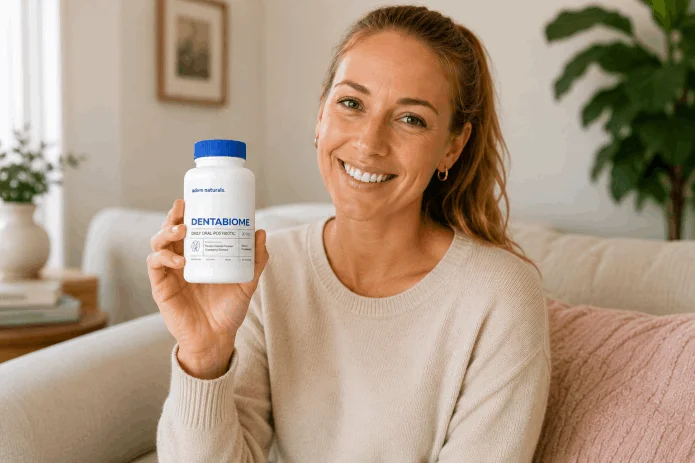
“Got this as a birthday gift and figured I'd try it without any real expectations. Didn't track anything consciously — just noticed around week eleven that my dentist mentioned my gum line looked noticeably less inflamed than my last visit. Couldn't point to anything else I'd changed. Understated result, but it was the right kind of noticeable.”
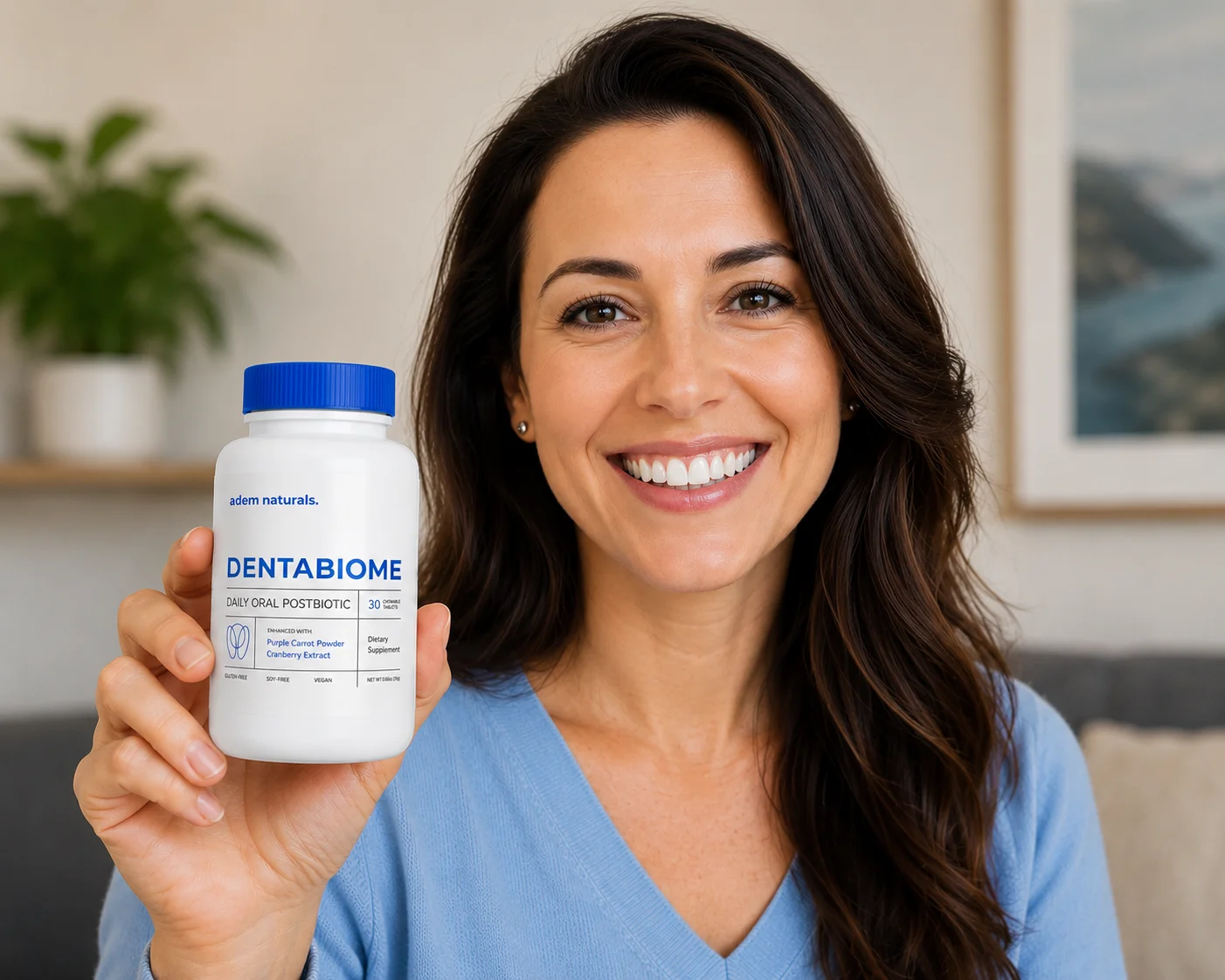
“After a health scare last year I decided to actually take my dental health seriously — I'd been using a chlorhexidine rinse for months with mixed results and it was wrecking the inside of my mouth. Ten weeks into switching to this approach my mouth feels completely different. No more raw-feeling gums, and my breath confidence has genuinely changed how I interact with people at work.”

The Standard Behind the Product
 GMP CertifiedManufacturing quality verified
 FDA Registration ConfirmedManufactured at an FDA-registered site
 Domestic US FacilityUS-manufactured formula
 Additive-Free FormulaClean formula — no artificial ingredients
Select Your Dentabiome Supply
Best value when you order a larger supply
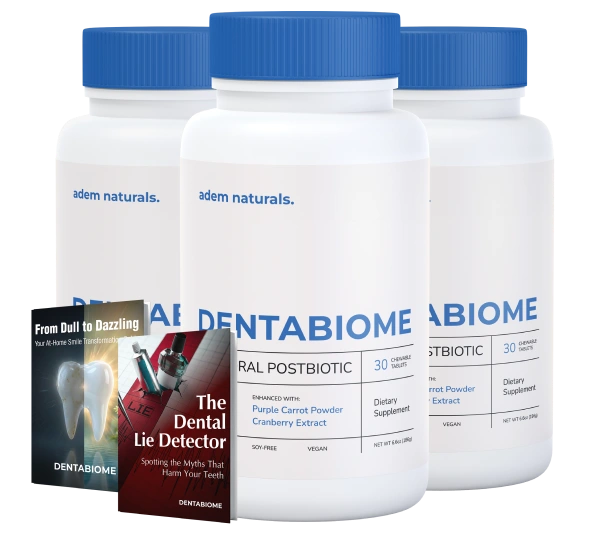
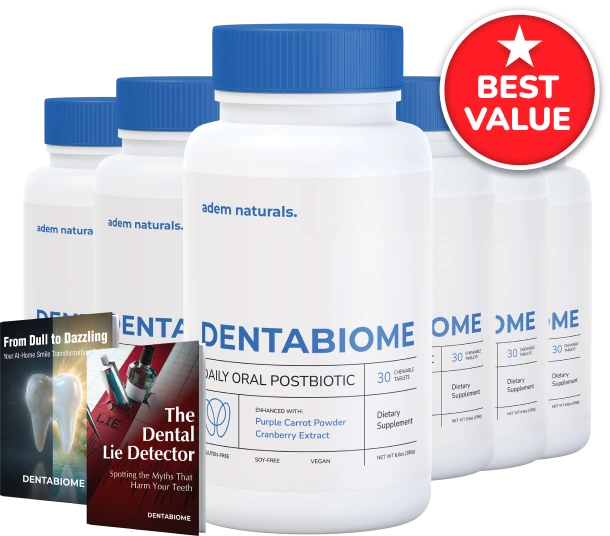
Where to Order: Manufacturer-direct sales only. Third-party marketplace orders are not eligible for the stated guarantee.
What Dentabiome May Support Over Time
Fresher Breath Beyond the First Hour
Stripped of the marketing, zinc citrate and BLIS K12 together address halitosis from two directions simultaneously — VSC neutralisation in the short term, and competitive reduction of the bacteria producing those compounds over continued use. Users report that breath freshness begins to feel more sustained rather than rinse-dependent after the first few weeks.
Reduced Gum Sensitivity and Bleeding
On a closer look, lactobacillus reuteri's documented effect on gingival inflammatory markers means this is one of the benefits most supported by published human trial data. Some users notice less bleeding during flossing within the first month of consistent daily use — though the timeline varies considerably based on baseline gum health.
Rebalanced Oral Microbiome Environment
Objectively, rather than wiping out all bacteria indiscriminately the way an antibacterial rinse does, the probiotic approach in dentabiome aims to shift the bacterial population toward beneficial strains. Inulin feeds those beneficial strains selectively, creating conditions that are harder for pathogenic species to reclaim.
Enamel Mineral Support Via Tricalcium Phosphate
From a formulation standpoint, structural tooth support isn't something most oral probiotics consider. Tricalcium phosphate provides bioavailable calcium and phosphate ions that may support remineralisation of early surface enamel — a detail that makes dentabiome more comprehensive than a single-strain probiotic tablet.
Plaque Biofilm Competition With BLIS K12
Against typical alternatives, salivaricin proteins produced by BLIS K12 actively compete for the same attachment sites that Streptococcus mutans uses to form plaque biofilm. Crowding out that pathway could be a meaningful long-term advantage for people who tend toward heavy plaque buildup despite consistent brushing routines.
Comfortable Daily Format — No Extra Steps
From a practical standpoint, slow-dissolve tablets require no water, no rinsing timing, and no adjustment to your existing oral care routine. Just dissolve one after brushing — that simplicity directly affects how consistently people actually stick with the supplement, and consistency matters more than anything else with probiotic colonisation strategies.
Saliva Flow Support From Malic Acid
From a sourcing standpoint, malic acid's saliva-stimulating properties mean dentabiome may support the mouth's own natural defence mechanism — saliva flow. Dry mouth is one of the most underappreciated contributors to bad breath and plaque accumulation, and addressing it from the inside is an angle most oral supplements ignore entirely.
No Alcohol, No Harsh Antiseptic Disruption
For context, standard antibacterial mouthwashes rely on alcohol and chlorhexidine that kill beneficial bacteria alongside harmful ones — a short-term fix with potential long-term microbiome disruption consequences. Dentabiome ingredients work with the mouth's bacterial ecosystem rather than eliminating it wholesale, making it suitable for people who have found harsh rinses too disruptive.
dentabiome Ingredients
7 active ingredients — targeting oral microbiome balance, gum tissue, and volatile sulphur compounds
From a sourcing standpoint, clinical research on BLIS K12 has examined its role in competitive exclusion of oral pathogens — specifically its production of salivaricin proteins that inhibit harmful bacterial strains colonising the throat and mouth. The mechanism is well-studied in the context of ear, nose, and throat health as well as halitosis; individual colonisation success varies by baseline oral microbiome composition. Dentabiome includes this strain because it represents one of the few oral-specific probiotic organisms with published human trial data rather than only in-vitro findings.
Stripped of the marketing, supporting gingival tissue health, Lactobacillus reuteri has been the subject of multiple randomised controlled trials examining its effect on periodontal inflammatory markers and plaque scores. Peer-reviewed research links consistent oral supplementation with this strain to measurable reductions in gum bleeding frequency — a mechanism attributed to both its direct antimicrobial reuterin production and its immunomodulatory effects on the gingival immune response. Its inclusion in the dentabiome formula targets the inflammation side of poor oral microbiome balance, not just the bacterial count. The research on Lactobacillus reuteri is robust for gum health outcomes; how much individual improvement occurs depends heavily on baseline periodontal status.
At a practical level, at the doses used in formulas like this, inulin has been studied for its prebiotic function — acting as a selective fermentable substrate that feeds beneficial bacterial strains while being poorly utilised by most oral pathogens. In the context of an oral probiotic tablet, this matters because probiotic strains introduced to a new environment need nutritional support to persist beyond the first few hours of contact. Inulin's role here is persistence rather than direct action, and its inclusion reflects a formulation decision that many simpler oral supplements skip.
From an evidence standpoint, studies examining salivary pH modulation have focused on malic acid's ability to stimulate saliva flow and create a mildly acidic oral environment that challenges the growth of sulphur-producing anaerobic bacteria. Saliva flow itself is a critical natural defence against oral biofilm formation — low-flow states are associated with elevated plaque accumulation and halitosis. Malic acid in dentabiome serves a dual purpose: it acts as a prebiotic-adjacent environmental modifier and as a natural saliva secretagogue, supporting the conditions that let the probiotic strains do their work.
Worth noting: unlike many compounds in this category, tricalcium phosphate has been specifically studied for its role in tooth enamel remineralisation — providing bioavailable calcium and phosphate ions that may support the natural repair of early enamel demineralisation. Its presence in an oral probiotic formula is notable because it bridges the microbiome support angle with structural tooth mineral support, making the formula address both bacterial environment and enamel resilience. The research on tricalcium phosphate for enamel mineral density is well-established in dental materials science; direct dietary supplementation outcomes in tablet form represent an extrapolation from that base.
Objectively, providing both organoleptic palatability and a functional antimicrobial contribution, peppermint extract brings menthol and menthone compounds that have been examined for their inhibitory effects on several oral pathogenic bacteria including Streptococcus mutans — one of the primary culprits in plaque biofilm formation. Clinical trials examined its effect on oral bacteria counts when used in mouth rinse applications; the application to a slow-dissolve tablet context is analogous though not directly replicated. Its inclusion ensures the dentabiome supplement remains pleasant to use daily, which matters for compliance far more than most formulation decisions.
From a practical standpoint, research into zinc citrate centres on its activity as a volatile sulphur compound inhibitor — zinc ions bind to sulphur-containing compounds produced by anaerobic bacteria, neutralising the primary chemical source of halitosis. Published research highlights its role in reducing VSC concentrations in oral rinse studies, and its use in dentabiome targets the breath freshness angle that probiotic strains alone address more slowly. The bioavailability advantage of the citrate salt form over zinc oxide is meaningful here — more zinc reaches the sites of action per dose. NIH Reference →
Who Should Not Use Dentabiome
At a practical level, dentabiome's probiotic formula is well-tolerated for most healthy adults, but specific groups should exercise caution before starting.
Anyone managing an active dental or medical condition should speak with their dentist or physician before adding any oral supplement to their daily routine.
How I Rate dentabiome
For context, scoring methodology is editorial — based on ingredient evidence, value analysis, and manufacturing standards from public data, not physical testing. These ratings exist to help buyers.
From a formulation standpoint, both probiotic strains are species-specific and strain-designated — BLIS K12 is a named, characterised strain rather than a generic Streptococcus species, which matters significantly for efficacy. Zinc citrate's selection over zinc oxide reflects a deliberate bioavailability decision that affects how much active zinc actually reaches the oral tissues per dose. The prebiotic support from inulin is an ingredient-level detail that separates thoughtful probiotic formulas from ones that just count colony-forming units.
Looking at the data, at the best package tier, the per-bottle cost compares favourably to branded oral probiotic products in the pharmacy market, many of which contain fewer strains and no prebiotic support layer. What you get for that price — two characterised probiotic strains, zinc citrate, tricalcium phosphate, and malic acid — is genuinely competitive ingredient density. The main weakness is that CFU counts for the probiotic strains are not publicly disclosed on the label, which makes direct potency comparisons with competitor products difficult.
On a closer look, gMP-certified production is the minimum bar for probiotic viability — temperature-sensitive bacterial strains need controlled manufacturing conditions to remain live through to expiration. From a buyer's perspective, the most relevant unconfirmed detail is whether third-party potency testing is conducted post-production to verify CFU counts at the time of packaging rather than just at manufacture. That confirmation would raise this score meaningfully if it were publicly available.
Honest Assessment: Dentabiome
- BLIS K12 and Lactobacillus reuteri — both with oral trial data
- Zinc citrate targets volatile sulphur compounds directly and quickly
- Slow-dissolve format maximises probiotic contact time with oral tissue
- Dual-mechanism approach means breath and gum benefits run in parallel
- Inulin prebiotic support — rarely included in oral probiotic formulas
- No habituation risk — probiotics don't create tolerance with daily use
- Zero alcohol or chlorhexidine — microbiome-safe formula throughout
- Probiotic results require 4-8 weeks of consistent daily use
- CFU count per dose not publicly listed on label
Buyer Guide Score: 4.6/5 — People who've already optimised their brushing and flossing routine but still struggle with gum sensitivity, recurring bad breath, or dentist feedback about inflammation are the exact profile dentabiome is built for. BLIS K12 and Lactobacillus reuteri are not filler ingredients — both have published human trial data in the oral health context, which puts this formula ahead of the majority of oral supplements that rely on generic probiotic strains with no oral-specific research. Zinc citrate adds a VSC-targeting layer that addresses breath freshness more immediately while the probiotic colonisation builds. The six-bottle supply brings the per-bottle cost to a genuinely accessible range, and the 60-day money-back window is long enough to make an informed decision without financial risk. This isn't a product for people who want a quick fix — probiotic microbiome work takes weeks to become visible. But for the right buyer, the dentabiome formula represents a more scientifically coherent approach to oral health than anything that just sits on your shelf next to the toothpaste.
From a sourcing standpoint, researching dentabiome involved working through each ingredient against peer-reviewed literature in the oral microbiology and dental probiotic research space — specifically seeking published human trials rather than relying on in-vitro or animal model data for primary conclusions. The format and delivery mechanism were assessed separately from the ingredient list, since the slow-dissolve tablet approach affects how well probiotic strains survive and establish — a variable that doesn't appear on an ingredient panel. User experience patterns were drawn from independent consumer discussions on health forums and verified purchaser commentary outside of the manufacturer's own platform. Where specific claims on the product page could not be confirmed through accessible research, those claims were either qualified or excluded from this assessment. No advance product access, early copy, or fee of any kind was received from the manufacturer or its representatives.

60-Day Money-Back Guarantee — No Hoops
Request a refund by contacting the manufacturer's customer support within 60 days of purchase — no lengthy questionnaire, no sending back a half-empty supply, and no waiting for a committee decision. A full refund is processed back to your original payment method. That window is generous enough to run a complete first supply and still have weeks of buffer to decide. Probiotic supplements need consistent daily use to show their full effect, and 60 days is enough time to genuinely evaluate whether dentabiome is doing something meaningful for you.
- Full cash refund — not store credit or vouchers
- No requirement to return unused portion
- 60 full days — enough for a complete supply evaluation

Specialising in gut and oral microbiome research, Lauren Sullivan is a certified Health Consultant with over nine years of experience reviewing probiotic-based supplement formulas for consumer publications and independent health platforms. Her focus on strain-specific oral probiotics means she evaluates products on microbiology merit, not just ingredient count. Every assessment on this site is conducted without manufacturer involvement — editorial positions are hers alone.
dentabiome — FAQ
Free Bonuses With Dentabiome
Worth noting: select a multi-bottle package and you receive two free digital bonuses alongside your order.
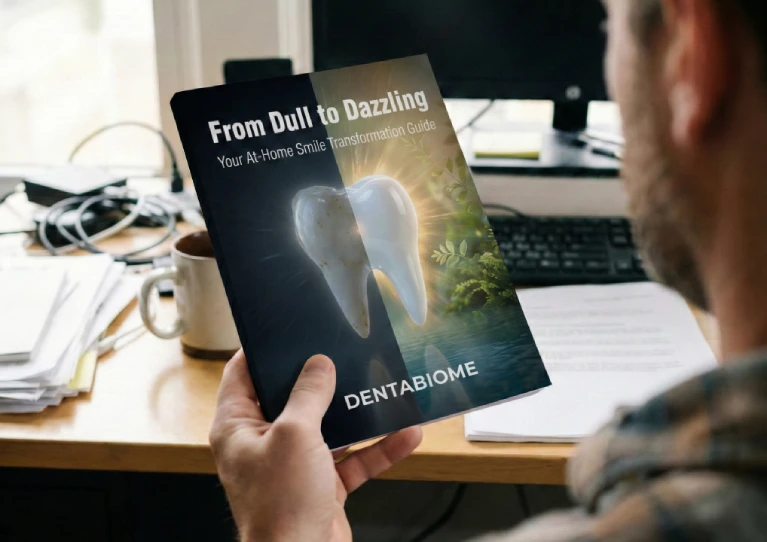
From Dull to Dazzling
From a formulation standpoint, from Dull to Dazzling is a practical guide to maximising the cosmetic side of your oral health journey — covering whitening-safe habits, diet adjustments that support enamel brightness, and the daily routines that complement what the probiotic strains are doing inside your mouth.
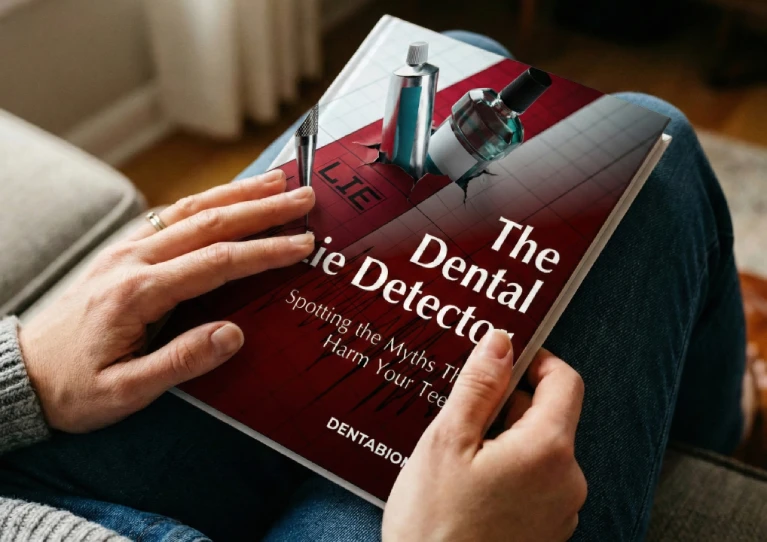
The Dental Lie Detector
On a closer look, the Dental Lie Detector breaks down the most common misconceptions that the oral care industry has built its marketing around — helping you understand which products in your cabinet are genuinely useful and which ones may actually be undermining your microbiome balance.
Try Dentabiome Risk-Free for 60 Days
Backed by a full 60-day refund policy — enough time to run a complete supply and know whether it's working before you commit to anything further.
- Best for persistent bad breath and gum sensitivity
- Full refund within 60 days, no return required
- Single purchase available — no subscription required
You'll be redirected to the official site to complete your purchase.