Introduction
Your mouth is home to over 700 species of bacteria, fungi, and other microorganisms that form what scientists call the oral microbiome. When this delicate ecosystem is balanced, these microbes work together to protect your teeth, gums, and overall oral health. But modern diets and daily habits can throw this balance into chaos. Understanding which foods that destroy mouth microbiome health—and which behaviors amplify the damage—is the first step toward restoring the bacterial balance that keeps your smile healthy. In this article, we'll explore the specific dietary and lifestyle culprits damaging your oral ecosystem, the warning signs that yours may already be compromised, and practical strategies to rebuild it. Whether you're dealing with persistent bad breath, gum sensitivity, or simply want to prevent future problems, the science-backed information here will help you take control of your mouth health from the inside out.
Understanding the Oral Microbiome and What Disrupts It
The oral microbiome functions like a microscopic garden that requires the right conditions to thrive. Beneficial bacteria in your mouth produce compounds that neutralize acids, fight pathogens, and support gum tissue health. A diverse, balanced microbiome is your first line of defense against cavities, gum disease, and even systemic infections linked to poor oral health.
However, this ecosystem is remarkably fragile. Certain dietary patterns and habits create an environment where harmful bacteria multiply while beneficial strains die off. A 2019 study in Microbiome found that Western diets high in processed foods and refined sugars rapidly shift the oral microbiota toward pathogenic species. Similarly, frequent antibiotic use—both systemic and in mouthwash—can wipe out large populations of protective bacteria, leaving room for harmful organisms to dominate.
The timing of dietary changes matters too. Unlike your gut microbiome, which takes weeks to shift, oral bacteria can change their populations within hours of exposure to certain foods. This means a single high-sugar meal or acidic drink can trigger an immediate, measurable shift toward cavity-causing organisms. Understanding this rapid responsiveness is crucial because it shows us that even small daily choices compound into either health or disease over time. Many people don't realize their microbiome damage is cumulative until symptoms become severe.
Signs and Symptoms of a Damaged Oral Microbiome
A compromised oral microbiome often announces itself through subtle warning signs that many people dismiss or attribute to other causes. Learning to recognize these signals gives you a chance to intervene before serious damage occurs. The most common early indicator is persistent bad breath that doesn't improve with brushing or mouthwash. This occurs because harmful anaerobic bacteria produce sulfur compounds as a byproduct of their metabolism. If your breath smells like rotten eggs or remains foul despite good oral hygiene, your microbiome likely needs rebalancing.
Gum inflammation and bleeding are equally telling signs. When pathogenic bacteria dominate, they trigger an immune response that causes gums to become red, swollen, and prone to bleeding during brushing or flossing. You might also notice increased tooth sensitivity or a metallic taste in your mouth—both suggest that protective bacterial strains have been displaced. Some people experience frequent mouth ulcers or thrush (a fungal infection), which indicates that the microbial balance has shifted so severely that opportunistic organisms can establish themselves.
Less obvious symptoms include loose teeth, receding gums, or a feeling that your bite has changed. These develop when the oral microbiome imbalance allows pathogenic bacteria to colonize deep below the gum line, causing bone loss. A 2020 study in the Journal of Dental Research showed that patients with severe microbiome dysbiosis had three times higher rates of periodontitis. If you notice any combination of these symptoms—especially if they've developed gradually over months—your oral microbiome almost certainly needs attention.
How a Damaged Oral Microbiome Affects Daily Life
Beyond the immediate discomfort of bad breath or tender gums, an imbalanced oral microbiome creates ripple effects throughout your quality of life. Social confidence often suffers first. Bad breath can become a barrier to personal relationships, professional interactions, and even basic social situations like dining with friends. Many people reduce their social engagement or become anxious in close-proximity conversations, not realizing that their microbiome imbalance is the root cause.
Persistent oral health problems also create a cycle of frustration and expense. You might brush more aggressively, use harsher mouthwashes, or seek repeated dental treatments—all of which can further damage the microbiome and worsen the underlying problem. Additionally, emerging research links oral dysbiosis to systemic health issues. A 2021 study in Nature Microbiology found that pathogenic oral bacteria can enter the bloodstream and contribute to cardiovascular disease, diabetes complications, and chronic inflammation.
Sleep quality may also decline if gum discomfort or mouth breathing (often linked to oral microbiome imbalance) disrupts rest. Over time, the accumulated stress of managing persistent oral problems, combined with the systemic inflammation they trigger, can leave you feeling chronically fatigued and vulnerable to illness. Recognizing that these seemingly separate problems stem from one source—an imbalanced oral microbiome—is empowering because it points toward a unified solution.
Foods That Destroy Your Oral Microbiome (and Habits to Eliminate)
The most damaging dietary culprits are refined sugars and processed carbohydrates. Cavity-causing bacteria like Streptococcus mutans metabolize these substances rapidly, producing acids that erode enamel and creating the acidic environment where pathogenic species thrive. Regular soda, energy drinks, sports drinks, and even flavored yogurts are major offenders because they combine sugar with acidity—a double assault on both your microbiome and your teeth.
Acidic foods and beverages are equally problematic. Citrus fruits, wine, vinegar-based dressings, and even kombucha create an acidic oral environment where beneficial bacteria struggle to survive. A 2018 study in Caries Research found that regular consumption of acidic beverages increased pathogenic bacterial colonization by 40% within two weeks. Artificial sweeteners, paradoxically, also disrupt the microbiome—they alter bacterial metabolism and may favor the growth of harmful species even without providing calories for fermentation.
Beyond specific foods, several habits compound dietary damage. Frequent snacking—even on "healthy" foods—keeps your mouth in a constant state of dietary exposure, preventing the pH from normalizing and beneficial bacteria from re-establishing. Antibiotic mouthwashes kill indiscriminately, destroying beneficial bacteria along with pathogens. Smoking creates an inflammatory environment that favors pathogenic species and reduces beneficial bacterial diversity by up to 40%, according to research in the Microbiome Journal. Poor sleep and chronic stress suppress your immune system's ability to maintain microbial balance, allowing dysbiosis to develop even with a moderate diet. Finally, inadequate saliva flow—caused by dehydration, certain medications, or Sjögren's syndrome—removes the antimicrobial proteins that naturally regulate the oral ecosystem.
Rebuilding Your Oral Microbiome: Nutrition and Dietary Strategies
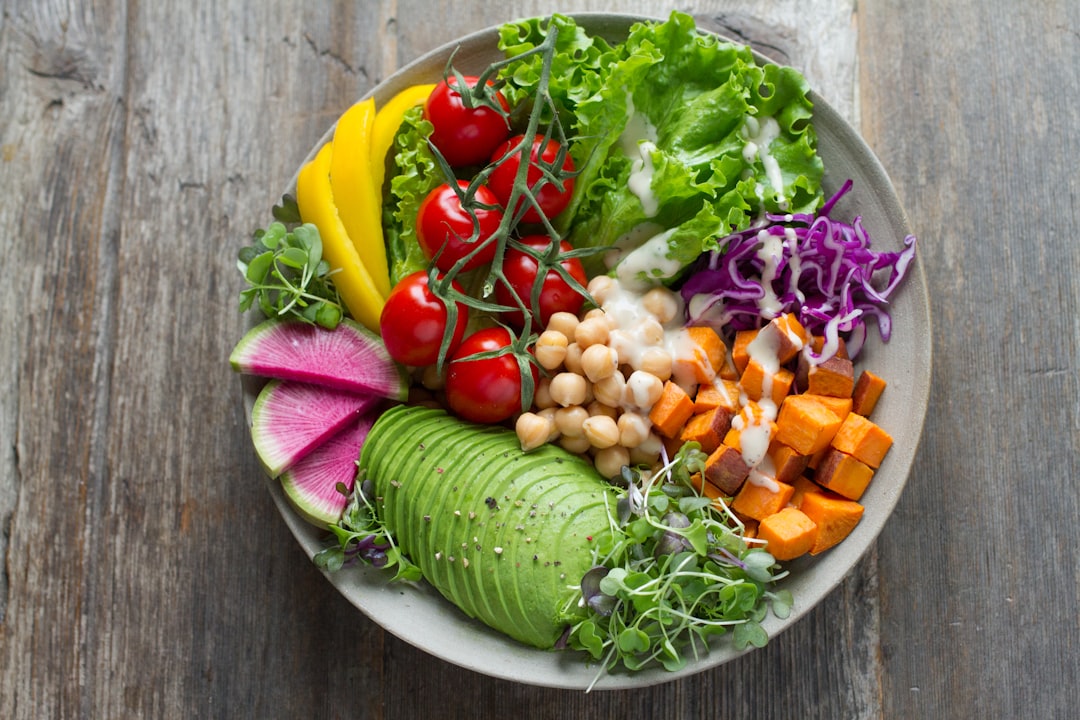
Restoring a healthy oral microbiome begins with removing or drastically reducing the foods that destroy mouth microbiome balance, then actively feeding the beneficial bacteria you want to dominate. This means prioritizing whole foods with minimal processing: leafy greens, cruciferous vegetables, berries, nuts, seeds, and legumes. These foods provide fiber and plant compounds called polyphenols that selectively feed beneficial bacterial species while starving pathogenic ones.
Probiotic foods are particularly valuable for oral health. Fermented foods like yogurt with live cultures, kefir, sauerkraut, kimchi, and miso contain beneficial bacteria that may help restore microbial balance. A 2020 randomized controlled trial in Nutrients showed that probiotic consumption reduced cavity-causing bacteria by 30% and improved gum health markers within eight weeks. Aim for one serving of fermented food daily, but choose unsweetened options to avoid feeding the pathogenic bacteria you're trying to displace.
Calcium and phosphorus are critical micronutrients for maintaining the mineral balance that beneficial bacteria require. Dairy products, leafy greens, almonds, and seeds are excellent sources. Water—plain, fluoride-free water—is equally important; it helps flush away food particles, maintains saliva flow, and prevents the acidic conditions where pathogens thrive. Aim to drink water after meals and acidic beverages.
Antioxidant-rich foods like berries, dark chocolate, and green tea contain compounds that reduce oral inflammation and support the immune tolerance needed for a stable microbiome. Finally, limit snacking frequency and establish clear windows between meals to allow your mouth's pH to normalize and beneficial bacteria to re-establish. If you're considering supplementation to support this dietary approach, products formulated with the key nutrients and botanical compounds discussed here—like dentabiome, which combines targeted microbiome-supporting ingredients—may help accelerate your recovery, though food should always be your foundation.
Lifestyle Habits to Rebuild Oral Health
Dietary changes alone won't fully restore your oral microbiome if harmful habits continue. Replace antibiotic mouthwash with salt water rinses or alcohol-free, microbiome-safe alternatives. These rinses reduce inflammation without destroying beneficial bacteria. If you smoke, quitting is one of the single most impactful changes you can make for your oral microbiome—the improvement in bacterial diversity occurs within weeks.
Sleep quality directly influences oral health. During deep sleep, your body produces higher levels of antimicrobial proteins and maintains the immune regulation needed to support a balanced microbiome. Aim for seven to nine hours nightly. Similarly, stress reduction through meditation, exercise, or time in nature lowers cortisol levels that otherwise suppress immune function and favor dysbiosis.
Oral hygiene should be gentle and microbiome-conscious. Brush twice daily with a soft-bristled toothbrush, floss daily, and consider tongue scraping to remove the biofilm where pathogenic bacteria accumulate. However, avoid over-brushing or using abrasive products that damage both teeth and gums.
Frequently Asked Questions
How long does it take to restore a damaged oral microbiome?
Most people notice improvements in bad breath and gum health within two to three weeks of dietary and habit changes. However, complete restoration of microbial diversity and the full healing of tissue damage can take two to three months. Your mouth's microbiome responds more quickly to change than your gut microbiome, but patience is still necessary. Consistency matters more than intensity—small daily improvements compound into significant results.
Can I use regular mouthwash while restoring my oral microbiome?
Commercial mouthwash with alcohol or chlorhexidine should be avoided during microbiome restoration because it kills beneficial bacteria indiscriminately. Instead, use salt water rinses, hydrogen peroxide rinses, or products specifically formulated to support microbial balance. These alternatives reduce pathogens without destroying the protective species you're trying to cultivate.
Is there a connection between oral microbiome health and digestive health?
Yes—your oral microbiome sets the tone for the entire digestive tract. The bacteria you swallow become part of your gut microbiome, and imbalances in your mouth often reflect or contribute to gut dysbiosis. Restoring oral health through dietary and lifestyle changes frequently improves digestion, immune function, and overall health simultaneously.
If you've recognized signs of oral microbiome imbalance in your own mouth—persistent bad breath, gum sensitivity, or recurring inflammation—know that you're not alone and that improvement is possible. Dietary changes are your foundation, but many people find that targeted nutritional support accelerates their progress. Learn more about how dentabiome approaches oral microbiome restoration to see if a comprehensive formula fits with your current health strategy.