Introduction
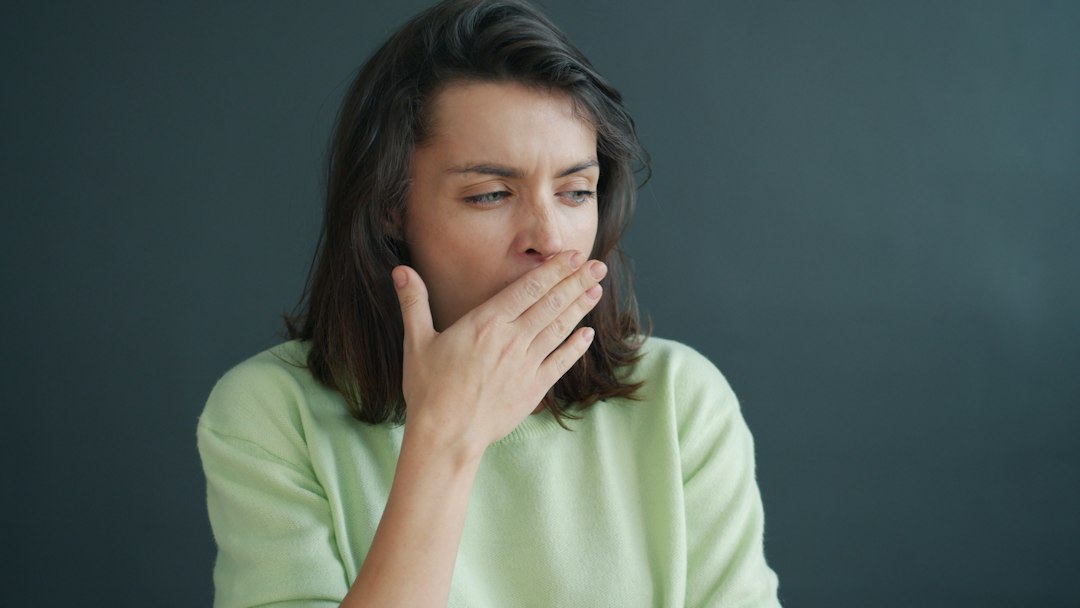
You brush twice a day. You floss. You rinse with mouthwash. Yet your breath still smells unpleasant, and it's been this way for months or years. If this sounds familiar, you're not alone. Millions of adults struggle with persistent bad breath that doesn't respond to traditional oral hygiene alone. The frustrating truth is that sometimes the real culprit isn't hiding in your mouth—it's living in your digestive system. Chronic bad breath from your gut microbiome has become increasingly recognized by both dentists and gastroenterologists as a legitimate health concern that requires a different approach. This article explores why your gut health matters for your breath and what you can actually do about it.
How Gut Bacteria Affect Your Breath
Your mouth and gut are connected through a system called the oral-gut axis. When most people think about bad breath, they imagine bacteria on the teeth or tongue. While that's certainly one cause, the relationship between your digestive system and breath odor is far more complex. Your gut contains trillions of microorganisms—collectively called your microbiome—that perform essential functions like breaking down food, producing nutrients, and supporting immune function. When this microbial community becomes imbalanced, a condition called dysbiosis, the consequences ripple upward into your mouth and respiratory system.
A 2019 study published in the journal Microbiology found that individuals with dysbiosis showed significantly different oral microbiota compared to those with healthy gut bacteria. The research suggests that an imbalanced gut doesn't just stay in your intestines. Instead, pathogenic bacteria and their byproducts can travel through your bloodstream, affecting oral tissues and breath quality. Hydrogen sulfide, methane, and other volatile sulfur compounds produced during abnormal fermentation in your gut are absorbed through your intestinal walls and expelled through your lungs—literally making your breath smell.
Additionally, when your gut barrier becomes compromised—a condition often called "leaky gut"—unwanted substances and bacterial toxins can enter your bloodstream more easily. This triggers inflammation throughout your body, including in your gums and mouth tissues. Inflamed oral tissues bleed more easily and become a breeding ground for odor-causing bacteria. This explains why chronic bad breath from gut microbiome imbalances often accompanies other signs of poor digestion and why simply treating the mouth may not resolve the problem.
Signs and Symptoms of Gut-Related Halitosis
Distinguishing breath odor caused by gut issues from other types of bad breath can be tricky, but certain patterns often emerge. If you have persistent bad breath despite excellent oral hygiene habits, your gut may be the problem. People with this condition frequently report that their breath smells worse in the morning or after fasting—this occurs because overnight, when your digestive system slows, volatile compounds accumulate and are exhaled through your lungs.
Another telltale sign is when bad breath accompanies other digestive complaints. If you experience bloating, irregular bowel movements, stomach discomfort, or food sensitivities alongside halitosis, your microbiome imbalance is likely systemic rather than localized to your mouth. You might notice your breath smells particularly unpleasant after eating certain foods—especially refined carbohydrates, processed foods, or meals high in sugar. This happens because these foods feed harmful bacteria in your gut, causing them to produce more odorous compounds.
A 2021 analysis in Frontiers in Cellular and Infection Microbiology highlighted that patients with small intestinal bacterial overgrowth (SIBO) frequently develop halitosis as a primary symptom. SIBO occurs when bacteria that normally live in your colon migrate into your small intestine, where they ferment food prematurely and produce excess gas. Some people describe their breath as having a fruity, sour, or distinctly musty quality—different from the typical "onion-like" smell of regular morning breath. You might also notice that gum disease doesn't improve with professional dental cleaning, or that your gums remain inflamed despite good home care. These signs strongly suggest your mouth is reflecting a larger digestive issue.
The Impact on Daily Life and Self-Confidence
Chronic halitosis takes a genuine psychological toll that shouldn't be minimized. Unlike occasional bad breath, which resolves with mouthwash or a breath mint, persistent bad breath erodes self-confidence in ways that affect work, relationships, and social engagement. Adults over 40 often report avoiding close conversation, limiting physical intimacy with partners, or withdrawing from social gatherings because they're self-conscious about their breath. Some people become hyperaware of the space between themselves and others, constantly worrying whether someone nearby can detect an odor.
In professional settings, this anxiety can be particularly damaging. Business leaders report holding back from presentations or one-on-one meetings. Older adults sometimes interpret their breath concerns as an inevitable sign of aging and stop pursuing social activities they previously enjoyed. The emotional burden often exceeds the physical problem itself. Many people spend months or years—and considerable money—visiting dentists, trying expensive oral products, and experimenting with treatments that don't address the root cause. This cycle of failed attempts and disappointment can lead to depression or social isolation.
The good news is that understanding your breath originates in your gut, not your teeth, can be genuinely liberating. It shifts the solution from expensive dental treatments to evidence-based dietary and lifestyle changes. Once you recognize that chronic bad breath from gut microbiome dysfunction is treatable through proper gut healing, you can take targeted action rather than continuing to chase dead ends in your medicine cabinet.
Natural Approaches and Lifestyle Changes
Restoring microbiome balance typically requires a multifaceted approach rather than a single fix. The foundation is reducing the foods and habits that feed harmful bacteria. Sugar, refined carbohydrates, artificial sweeteners, and ultra-processed foods directly feed pathogenic organisms while starving beneficial bacteria. A 2020 study in Nature Microbiology demonstrated that even short-term consumption of a high-sugar diet significantly reduces microbial diversity and promotes dysbiosis. Cutting back on these foods, even moderately, can produce noticeable improvements in breath within weeks.
Stress management deserves equal attention. Your gut has its own nervous system—sometimes called the "second brain"—which communicates directly with your central nervous system. High stress directly impairs digestion and reduces stomach acid production, making it harder for your body to break down food properly. This incomplete digestion allows bacteria to ferment food particles, creating more odorous byproducts. Adults over 40 often carry accumulated stress, making deliberate relaxation practices essential. Daily practices like 10-15 minutes of meditation, gentle yoga, or simply sitting quietly can meaningfully improve digestive function and breath quality.
Adequate hydration also matters more than most people realize. Drinking sufficient water supports your digestive system's natural cleansing processes and helps flush bacterial toxins through your kidneys rather than your lungs. Aim for half your body weight in ounces daily—someone weighing 160 pounds should drink about 80 ounces. Additionally, ensuring you eat slowly and chew thoroughly gives your digestive enzymes time to begin breaking down food in your mouth, reducing the fermentation burden on your gut. Moving your body through regular exercise also promotes healthy digestion by stimulating gut motility, the natural wave-like contractions that move food through your intestines efficiently.
Targeted Nutrition and Dietary Strategies
Certain nutrients play specific roles in supporting a healthy microbiome and preventing dysbiosis. Prebiotic fiber—the type of carbohydrate that feeds beneficial bacteria—should be increased gradually through foods like garlic, onions, asparagus, bananas, and oats. A 2022 review in Nutrients confirmed that adequate prebiotic intake increases populations of Bifidobacterium and Faecalibacterium, two of the most beneficial bacterial species. Start with small additions rather than dramatically increasing fiber overnight, as this can initially increase gas production while your gut adjusts.
Fermented foods containing live cultures offer another evidence-based strategy. Sauerkraut, kimchi, unsweetened yogurt, kefir, miso, and tempeh introduce beneficial bacteria directly into your system. A 2021 study in Cell showed that fermented food consumption increased microbial diversity and improved immune function within just two weeks. Even small portions—a tablespoon of sauerkraut with lunch or dinner—can make a meaningful difference. The key is consistency over quantity.
Polyphenol-rich foods also support the microbiome. These plant compounds found in berries, dark chocolate, green tea, red wine, and olive oil act as selective food for beneficial bacteria while having antimicrobial properties against pathogens. Aim to include colorful produce at most meals. Finally, adequate protein supports the gut lining's structural integrity. Your intestinal lining rebuilds itself approximately every three to five days, requiring sufficient amino acids. This is why dentabiome and similar formulations focus on supporting digestive health through targeted nutrients. Including lean protein, fish, eggs, or legumes at each meal provides the building blocks your gut needs to heal and restore a balanced microbiome.
Frequently Asked Questions
Q: How long does it take to see improvement in breath after fixing gut health?
A: Most people notice improvements within two to four weeks of consistent dietary changes and lifestyle modifications. However, complete microbiome rebalancing typically takes three to six months. Individual timelines vary based on the severity of dysbiosis and how closely you follow recommended changes. Some people experience faster improvements if they combine multiple interventions simultaneously.
Q: Can I have a healthy mouth and unhealthy gut?
A: Yes, absolutely. You can maintain perfect oral hygiene and still have dysbiosis and resulting halitosis. Conversely, someone with excellent gut health who neglects brushing and flossing can develop tooth decay. Both oral and digestive health matter independently, but when combined with chronic bad breath despite good oral care, the gut is likely the primary culprit worth addressing.
Q: Should I see a gastroenterologist or a dentist first?
A: If you suspect your bad breath originates in your gut, a gastroenterologist can order specific tests like SIBO breath testing or comprehensive stool analysis to assess your microbiome. However, starting with dietary changes and lifestyle modifications doesn't require a doctor's permission and can produce results while you're arranging specialist appointments. Many people find that making these changes first reveals whether their breath improves, confirming the gut connection before pursuing medical testing.
If you've been struggling with persistent bad breath despite excellent oral hygiene, investigating your gut health could be the missing piece. Understanding the connection between your digestive system and your breath opens up new treatment possibilities that go beyond mouthwash and breath mints. Learn more about how targeted nutritional support can address the underlying factors discussed in this article, and discover whether a comprehensive approach might help you finally resolve this frustrating issue.