Introduction
Gum disease affects millions of adults over 40, yet many don't realize they have it until significant damage has already occurred. Periodontal disease stages progression symptoms develop gradually, often without obvious warning signs in the early phases. Understanding how gum disease advances through different stages is crucial for catching the problem early and preventing tooth loss and serious health complications. This article walks you through what happens at each stage of periodontal disease, what symptoms to watch for, and practical steps you can take to slow or reverse the damage. Whether you're concerned about your own gum health or want to protect yourself from future problems, knowing the stages of gum disease empowers you to take action before it's too late.
What Causes Periodontal Disease: Understanding the Stages
Periodontal disease begins with bacterial buildup along the gumline. Your mouth naturally contains hundreds of bacterial species, but when plaque accumulates faster than you can remove it through brushing and flossing, harmful bacteria thrive. These bacteria release toxins that trigger inflammation in your gum tissues. Over time, this inflammation weakens the structures that hold your teeth in place, including the periodontal ligament and alveolar bone.
Several risk factors accelerate periodontal disease stages development. Smoking is one of the most significant—smokers are three times more likely to develop advanced gum disease than non-smokers. Stress hormones suppress immune function, making your gums less able to fight infection. Diabetes creates an environment where bacteria multiply rapidly and healing is impaired. Hormonal changes during menopause and pregnancy can increase gum sensitivity and inflammation. Genetics also play a role; some people inherit a predisposition to aggressive gum disease despite good oral hygiene habits.
Nutrient deficiencies compound the problem. Low levels of vitamin C reduce collagen production, weakening gum tissue integrity. Insufficient B vitamins impair your body's ability to repair damaged gum tissue and maintain oral barrier function. When combined with bacterial infection and inflammatory stress, these nutritional gaps accelerate disease progression. A 2019 study published in the Journal of Periodontology found that adults with vitamin D deficiency had significantly deeper periodontal pockets and greater bone loss than those with adequate levels.
Recognizing the Signs and Symptoms at Each Stage
Gum disease typically progresses through four distinct stages, each with characteristic signs. Understanding periodontal disease stages progression symptoms helps you identify problems before they become severe.
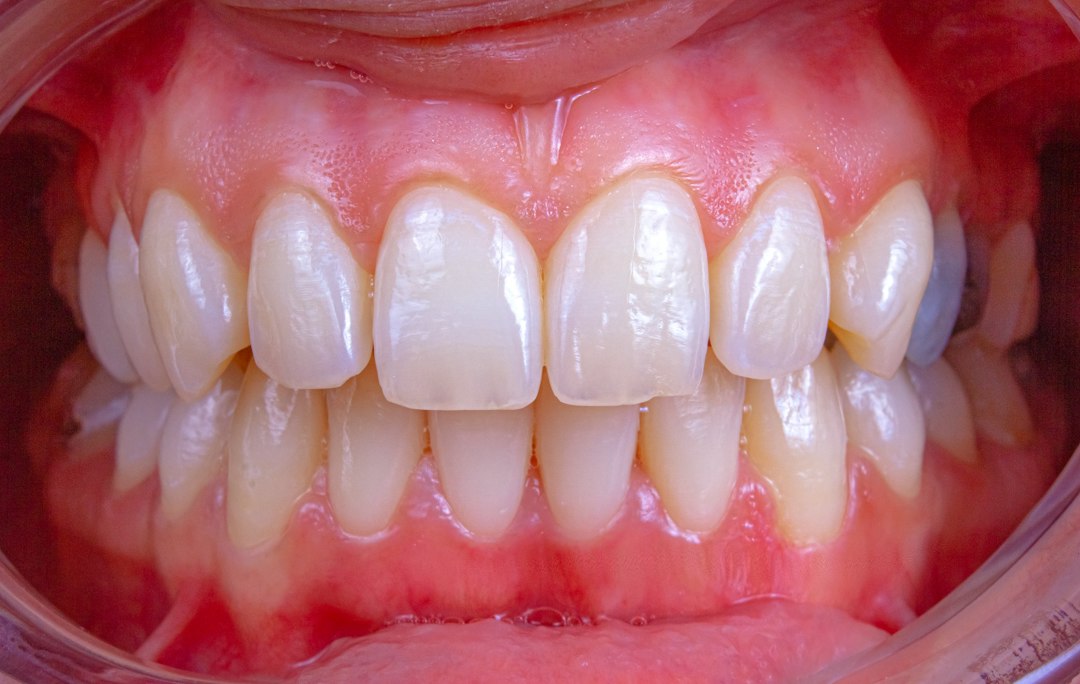
Stage 1: Gingivitis is the earliest and most reversible stage. Your gums may appear red or swollen, especially at the margins where teeth meet gum tissue. You might notice bleeding when brushing or flossing—this is the most common early warning sign. Many people mistake bleeding gums as normal or assume they're brushing too hard, but healthy gums should never bleed. Bad breath may develop due to bacterial overgrowth. At this stage, you have no bone loss, and the condition can often be completely reversed with improved oral hygiene and professional cleaning.
Stage 2: Early Periodontitis occurs when inflammation spreads below the gumline, creating shallow pockets (1–3 mm) between teeth and gums where bacteria hide. You may notice gums receding slightly, making teeth appear longer. Bleeding becomes more pronounced and persistent. Some people experience tooth sensitivity to temperature or touch. At this stage, early bone loss begins, detectable only through X-rays. Without intervention, progression accelerates.
Stage 3: Moderate Periodontitis involves deeper pockets (4–6 mm) with significant bone loss. Your gums may pull away noticeably from teeth. Teeth might feel slightly loose or shift position. Swelling and discomfort when chewing become more common. You might detect pus between gums and teeth. The immune system is actively fighting infection but losing ground.
Stage 4: Advanced Periodontitis represents severe damage with deep pockets (7+ mm) and extensive bone loss. Teeth become mobile and may shift noticeably. Eating becomes painful. Infections can develop into abscesses. Without treatment, tooth loss is inevitable. A 2020 study in Clinical Oral Investigations found that untreated moderate periodontitis progressed to advanced stages within 3–5 years in nearly 60% of study participants.
How Gum Disease Impacts Your Daily Life and Overall Health
Beyond the mouth, periodontal disease carries serious systemic consequences. The inflammation and bacterial infection in your gums don't stay localized—bacteria and inflammatory molecules enter the bloodstream, affecting your entire body. Research consistently links advanced gum disease to increased risk of heart disease, stroke, and diabetes complications. A 2021 meta-analysis in the American Journal of Preventive Medicine found that people with periodontitis have a 59% higher risk of cardiovascular disease than those with healthy gums.
The practical daily impact is equally significant. Chronic gum pain and tooth mobility make eating difficult, often forcing people to avoid hard, crunchy, or nutritious foods. This dietary restriction can lead to nutritional deficiencies, compounding the original problem. Tooth loss affects appearance, which impacts confidence and social interaction, particularly challenging during your 40s and beyond when maintaining a professional image matters. Persistent bad breath damages personal relationships. The financial burden of advanced treatment—bone grafts, implants, extensive extractions—can exceed thousands of dollars.
The psychological toll shouldn't be underestimated. Anxiety about worsening tooth loss, embarrassment about appearance or breath, and stress about future dental procedures create a cycle that actually worsens gum disease by elevating cortisol levels and suppressing immune function.
Natural Approaches and Lifestyle Changes That Help
The foundation of gum disease management is meticulous oral hygiene. Brush for two minutes twice daily using a soft-bristled toothbrush and fluoride toothpaste, directing bristles at a 45-degree angle toward the gumline. Floss daily—this removes plaque from areas your toothbrush can't reach. Water flossers work well for people with dexterity issues or existing gum damage. Electric toothbrushes provide more consistent cleaning pressure than manual brushing.
Professional cleanings are essential. Schedule dental visits every three to four months if you have gum disease, rather than the standard twice-yearly visits. Your dentist can remove tartar buildup that your home routine can't touch. More frequent cleanings interrupt the bacterial cycle and allow your body to regain control of inflammation.
Smoking cessation is non-negotiable. Smoking impairs wound healing, suppresses immune function, and increases bacterial virulence. Quitting dramatically improves treatment outcomes. Within weeks of quitting, gum bleeding typically decreases. Stress management through meditation, exercise, or counseling helps because chronic stress elevates cortisol, which suppresses immune function. Even moderate exercise like brisk walking for 30 minutes daily improves gum health.
Diet modifications support healing. Avoid sugary foods and drinks that feed harmful bacteria. This is why many adults turn to dietary approaches that emphasize whole foods—one such strategy involves increasing foods rich in the nutrients most critical for gum repair and immune function. Limit alcohol and processed foods that trigger systemic inflammation. Stay well-hydrated to maintain optimal saliva production, which has natural antibacterial properties.
Nutritional Support for Gum Health and Healing
Specific nutrients directly support gum tissue repair and immune function. Vitamin C is essential for collagen synthesis—the structural protein that gives gums their strength and resilience. Adults with vitamin C deficiency show significantly worse periodontal disease progression. A 2018 study in Nutrients found that people consuming adequate vitamin C had 50% less gum bleeding than those with deficient intake. Excellent food sources include citrus fruits, berries, bell peppers, and dark leafy greens.
Vitamin D regulates immune response and reduces excessive inflammation. Low vitamin D levels correlate strongly with deeper periodontal pockets and greater bone loss. Since many adults over 40 have insufficient vitamin D, particularly during winter months, supplementation or increased sun exposure may be necessary. Fatty fish, egg yolks, and mushrooms provide dietary vitamin D, though food sources rarely supply adequate amounts.
Zinc supports immune cell function and wound healing. Deficiency impairs your body's ability to fight oral bacteria and repair damaged tissue. B vitamins, particularly B6, B12, and folate, maintain healthy oral mucosa and support immune function. Deficiency in these nutrients is linked to increased gum inflammation and slower healing. If you want to explore a formula built around these key nutrients, dentabiome may be worth reviewing to see how targeted supplementation can complement your daily nutrition.
Omega-3 fatty acids reduce systemic inflammation and support gum tissue integrity. A 2017 study in the Journal of Periodontology found that omega-3 supplementation improved gum health markers in patients with moderate periodontitis. Fatty fish like salmon and sardines are excellent sources.
Frequently Asked Questions
Can gum disease be reversed? Yes, if caught early. Gingivitis can be completely reversed with improved oral hygiene and professional cleaning. Early periodontitis can often be stopped from progressing further, though some bone loss may be permanent. Moderate and advanced stages require professional treatment to prevent further deterioration and tooth loss. The key is early detection and consistent intervention.
How quickly does gum disease progress? This varies significantly among individuals. Some people progress from gingivitis to moderate periodontitis within 2–3 years, while others progress more slowly over decades. Smokers, people with diabetes, and those with genetic predisposition progress faster. Regular professional monitoring helps identify acceleration early, allowing intervention before critical damage occurs.
Can I treat gum disease at home without seeing a dentist? Excellent home hygiene can prevent gum disease and manage early-stage gingivitis, but it cannot remove tartar or treat established periodontal pockets. Professional cleanings and assessment are essential for anyone showing signs beyond simple gingivitis. Attempting to self-treat advanced disease typically results in continued progression and eventual tooth loss.
Taking Action Today
Dealing with gum disease can be frustrating, especially when basic oral hygiene alone isn't enough. While professional dental care and lifestyle changes form the foundation of treatment, supporting your body's natural healing capacity through proper nutrition matters too. dentabiome is formulated specifically around the nutritional factors covered in this article. Visit our site to see the ingredients and learn more about whether it might fit your situation.